
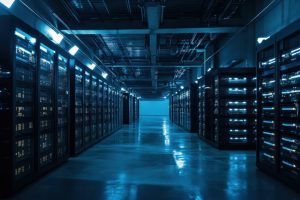
Data centers are quickly becoming one of the most important types of facilities in the Southeast. As businesses rely more heavily on cloud computing, remote operations, artificial intelligence, and real time data processing, the demand for reliable digital infrastructure continues to grow across South Carolina, North Carolina, Georgia, and beyond.
Unlike a typical commercial building, a data center cannot afford interruptions. Even a few seconds of downtime can have serious financial and operational consequences. That reality places enormous responsibility on the electrical infrastructure that supports these facilities. From redundancy planning to cooling loads and strict compliance requirements, every detail matters.
The Southeast’s Unique Challenges
The Southeast is an attractive region for data center development due to competitive energy rates, available land, expanding fiber networks, and economic growth. However, the climate and weather patterns in this region require careful electrical planning.
High summer temperatures, elevated humidity levels, and the potential for hurricanes or severe storms affect how systems are designed. Electrical equipment must be protected, cooling loads must be calculated, and backup systems must be built to withstand extended outages.
Power Redundancy Is Not Optional
Reliability is the foundation of any successful data center. The goal is simple. Keep systems running without interruption.
Dual Utility Feeds
Many modern data centers in the Southeast are designed with dual utility feeds from separate substations. This reduces the risk of a single point of failure. If one source experiences an issue, the second feed can continue supplying power.
Electrical engineers must coordinate closely with local utilities to ensure proper service entrance design, protective device coordination, and fault current management.
Backup Generators
On site generation is a critical component of redundancy. Most facilities use diesel or natural gas generators that can carry the full building load. In many cases, generators are configured in parallel to provide additional reliability.
In hurricane prone areas, generator placement and fuel storage planning are especially important. Equipment must be elevated where necessary and protected from flood risks. Extended fuel capacity can also be critical during widespread power outages.
Uninterruptible Power Supply Systems
UPS systems provide instantaneous power during the transition from utility to generator. These systems protect servers and networking equipment from voltage fluctuations or brief power losses.
Redundancy configurations such as N plus one or 2N are common in larger facilities. Proper maintenance and routine load testing ensure that these systems perform exactly as intended when needed.
Cooling Loads Drive Electrical Demand
Servers generate significant heat. In the Southeast, that heat must be managed against already high outdoor temperatures and humidity levels. Cooling systems represent a major portion of the total electrical load in a data center.
Supporting Mechanical Systems
Electrical infrastructure must account for chillers, cooling towers, air handlers, pumps, and environmental monitoring systems. When calculating load requirements, it is essential to consider both IT equipment demand and mechanical cooling demand together.
Failure to properly size transformers, switchgear, and distribution panels can limit expansion potential and create long term inefficiencies.
Redundant Cooling Power
Cooling systems must remain operational even during power disturbances. Many facilities design redundant feeds to critical mechanical equipment so that cooling continues uninterrupted.
Humidity control systems also increase electrical demand. In the Southeast, dehumidification is not just a comfort factor. It is necessary to protect sensitive equipment from moisture-related damage.
Medium Voltage Systems and Scalability
As facilities grow with size and density, medium voltage distribution often becomes the preferred solution. Medium voltage systems allow large amounts of power to be delivered more efficiently while reducing line losses.
For data centers planning phased expansion, scalability must be built into the initial design. Switchgear rooms, transformer capacity, and distribution pathways should be sized with future growth in mind.
Electrical contractors must also perform thorough short circuit and coordination studies to ensure safe and reliable operation under heavy loads.
Compliance and Safety Requirements
Data centers are subject to strict electrical and safety regulations. In the Southeast, this includes compliance with the National Electrical Code, state and local building codes, and applicable fire and life safety standards.
ARC Flash and Electrical Safety
Because of high available fault currents, ARC flash studies are essential. These studies determine hazard levels, proper labeling, and required personal protective equipment for maintenance personnel.
A properly conducted study enhances safety and supports OSHA compliance while reducing liability for facility owners.
Fire Alarm and Suppression Integration
Electrical systems must integrate seamlessly with fire alarm panels, monitoring systems, and clean agent suppression systems. Backup power must support all life safety components to ensure continuous protection.
Coordination between electrical and life safety teams is critical during design and installation.
Storm Resilience and Environmental Protection
The Southeast presents weather-related challenges that cannot be ignored. Lightning protection systems, surge protection devices, and reinforced enclosures are important elements of a comprehensive electrical design.
In coastal or hurricane-exposed areas, equipment may need to be elevated or enclosed in hardened structures. Protecting electrical assets from water intrusion and wind damage reduces long term risk and downtime.
The Value of Early Electrical Planning
Data center projects benefit greatly from early involvement of experienced electrical contractors. A collaborative approach allows for accurate load forecasting, efficient system layout, and coordinated integration with mechanical and IT systems.
Design-building methods can be especially effective. When electrical teams are engaged early, they can help optimize budgets, reduce change orders, and ensure that infrastructure supports both current operations and future expansion.
Building for Reliability in a Growing Region
The Southeast continues to experience strong demand for data center development. With that growth comes increased responsibility to design and install electrical systems that deliver reliability, efficiency, and safety.
Power redundancy protects against outages. Properly engineered cooling infrastructure manages intense heat loads. Compliance and safety planning protect both personnel and equipment. When these elements are thoughtfully integrated, data centers can operate with confidence and resilience.
For organizations developing facilities in South Carolina, Western North Carolina, or Georgia, working with a commercial and industrial electrical contractor that understands the region’s unique conditions can make all the difference. Reliable electrical infrastructure is not just part of a data center. It is the backbone that keeps everything running. Contact Hayes & Lunsford Electric, LLC. at (864) 297-3198 (SC) or (828) 412-5852 (NC) today or visit us online for more information!
Leave a Reply