
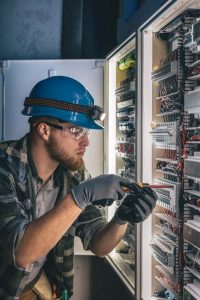
Modern manufacturing facilities rely on more than heavy machinery and dependable power. Behind many production processes are electrical systems that help equipment operate, coordinate tasks, and keep operations organized. One valuable element is the electrical control panel. Electrical control panels serve as a central point for managing the electrical components that operate industrial machinery and equipment. Understanding how these panels work helps manufacturers recognize their role in supporting efficient, reliable, production environments.
What Are Electrical Control Panels?
An electrical control panel houses electrical components that manage and distribute control signals to connected equipment. Depending on the application, these components include circuit breakers, relays, switches, motor starters, and programmable logic controllers (PLCs).
Together, these devices help regulate how machinery operates. They allow equipment to follow specific instructions, respond to operating conditions, and perform designated tasks. For manufacturing facilities with multiple machines and interconnected systems, properly designed control panels help organize equipment controls and simplify operation.
Supporting Machinery and Production Processes
Manufacturing equipment often performs several tasks that must happen in a specific sequence. Electrical control panels help coordinate these activities by managing signals between machinery and its control components. An automated production line might require conveyors, motors, and processing equipment to operate in a particular order. Control systems coordinate those movements so individual machines work as one as part of a larger process.
Control panels also support monitoring and troubleshooting. When equipment experiences an electrical or operational issue, technicians can use the control system to help identify potential problems and determine where further attention is needed.
The Role of Control Panels in Industrial Automation
Industrial automation depends on communication between machines, sensors, and control equipment. Electrical control panels provide an organized location for many of the components responsible for managing these connections; they are also especially important in automated manufacturing. These programmable devices receive information from connected equipment and execute instructions based on established operating conditions.
As manufacturing facilities incorporate more automated machinery, coordinated electrical systems become increasingly significant. Hayes & Lunsford Electric, LLC highlight this type of industrial technology in its Haakon Manufacturing Facility project, which features highly automated machinery, 3D modeling equipment, and computer-controlled systems.
Why Proper Electrical Planning is Important
Control panels must work within the broader electrical infrastructure of a manufacturing facility. Their design and integration require consideration of equipment requirements, power distribution, operating conditions, and applicable electrical standards. Planning these systems alongside other electrical elements helps ensure that machinery has the infrastructure needed to support its intended operation. It also gives manufacturers an opportunity to consider future equipment additions and changes to production demands.
Plan Your Facility’s Electrical Infrastructure with Hayes & Lunsford
From automated production equipment to complex industrial electrical systems, manufacturing operations depend on thoughtful planning. If you are designing a manufacturing facility, expanding production, or evaluating your existing electrical infrastructure, contact Hayes & Lunsford Electric, LLC to discuss your project’s requirements.
Leave a Reply